


Phase 1 Environmental Site Assessments
Phase 1 Environmental Site Assessments (Phase 1 ESA) are the core product of Partner Engineering and Science’s Environmental Due Diligence practice. Phase 1’s are the gold standard for evaluating the environmental liability associated with a real estate asset. Partner is the leader in the implementation of the ASTM 1527-2000 and ASTM 1527-2005 standards. Partner Phase 1’s are done by Environmental Professionals who meet, and often exceed, the requirements of the EPA’s AAI Standard. The experience of Partner in Phase 1’s dates back to before the creation of the ASTM Standards. Having performed Phase 1’s on tens of thousands of properties, we offer our clients a perspective on every property type.
Phase 1 Scope Includes:
Site Visit
- Inspection of the Site by an Experienced Inspector
- Catalog the Presence of Hazardous Materials or Petroleum Products
Historical Research
- Historical Aerial Photographs
- Reverse Street Directories
- Building Permits
- Planning Records
- Topographical Maps
- Sanborn Fire Insurance Maps
- Department of Oil and Gas Maps
- Title Information
Geology and Hydrogeology
- Soil Type
- Geological Setting
- Groundwater Depth
Regulator Research
- Fire Departments
- State Environmental Agencies
- Federal Environmental Agencies
Interviews and Document Review
- Interview Tenants and Owners
- Interview State and Local Regulators
- Review Provided Reports
Phase 2 Environmental Site Assessments
Phase 2 Environmental Site Assessments test soil, soil gas, and/or groundwater for possible contamination. When a Phase 1 identifies a recognized environmental condition, or the potential for soil contamination, most clients require evaluation of the potential contamination by having a Phase 2 Environmental Test completed. The purpose of a Phase 2 Environmental Report is to determine the presence, or absence of, petroleum products or hazardous waste in the subsurface of the site. Partner geologists and engineers possess expertise in Phase 2 Environmental project design. Partner Phase 2 Environmental projects can be done according to the ASTM E1903 – 97(2002) Standard Guide for Environmental Site Assessments: Phase 2 Environmental Site Assessment Process standard or to meet a client’s specific needs.
When designing a Phase 2 ESA, the most important pieces of necessary information are:
- Areas of Concern
- Chemicals of Concern
- Local geology
- Site access issues
The Phase 2 Environmental Practice of Partner is one of the largest such practices nationally. Partner has achieved this by employing some of the best geologist and engineers in the business and by delivering local expertise of geologic and regulatory environments throughout the country. In addition, Partner relationship managers are able to interpret geological and chemical data and translate the data into a clear explanation of business risk.
Property Condition Assessments and Building Evaluations
Partner provides Property Condition Reports (PCRs), also known as Property Condition Assessments (PCAs), target the unique needs of what lenders and real estate investors require. In addition to PCRs, Partner can also perform Energy Audits in order to help identify how energy efficient a building is and how to increase its efficiency and reduce consumption costs.
Partner Offers Unique Product Types:
Lenders
CMBS Lenders, insurance lenders, and some portfolio lenders routinely order Property Condition Reports (PCRs) or Commercial Building Inspections. Partner prepares PCRs to meet the requirements of rating agencies such as Standard and Poor’s, as well as to the scope of work defined by ASTM E2018. Partner PCRs discuss all major building systems and site improvements and includes a Replacement Reserve Table and an Immediate Repairs Table. The Immediate Repairs Table indentifies Capital Needs and prices, all failing or damaged building systems, and potential life safety issues.
Real Estate Investors
Real Estate Investors are interested in insuring that their investment is a solid one that will contain no unforseign surprises. Partner tailors investigations to address the potential issues of an asset and the investor’s concerns. Partner can perform extremely thorough building evaluations. During which timee all major systems are tested and evaluated. While more thorough evaluations are generally more expensive, Partner often saves clients money well in excess of inspection fees by identifying major building deficiencies prior to the client taking ownership. While Partner assessors are very knowledgeable, Partner assessments can be enhanced by a network of specialists. Partner maintains relationships with expert specialists in every building system. The specialist reports can then be folded into the Equity Property Condition Assessment Report.
Property Condition Reports Can Include:
Scope
- Site Assessment
- Interviews
- City Building Department
- Building Systems Evaluated
- HVAC Systems
- Elevators
- Plumbing
- Data and Telephone
- Boilers
- Electrical
- Fire Suppression Systems
Building Evaluation
- Foundation
- Structure
- Roof Diaphragm
- Interior Finishes
- Building Envelope
Site Improvements Evaluated
- Pavement
- Drainage
- Signage
- Lighting
- # ADA Access
Construction Services

For construction lenders, understanding construction budgets and keeping payments in line with progress is critical. Partner is able to offer our staff of engineers and construction managers who can provide a wide range of service in support of construction lending. Partner can help reduce the risks of construction lending by offering:
- Cost to Complete (CTC)
- Pre Construction Document and Cost Analysis (DCR)
- Mid-Construction Compliance Inspection (CCI)
- Construction Progress Monitoring (CPM)
- Property Condition Analysis (PCA)
- Annual Deferred Maintenance Inspections and Monitoring (DMI)
- Budget Reviews (BR)
Partner is committed to accurate third party reporting and great service. Partner understands that when it comes to a construction project, time is money. Partner also offers additional construction services in the form of Erosion Control for Lenders and Developers.
Erosion Control:
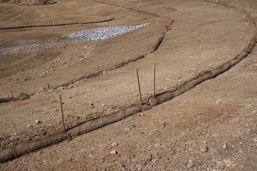
Developers must implement erosion control measures in order to decrease a site’s vulnerability to erosion. Erosion is a direct result of grading and clearing activities. Vegetation protects the site from water and wind erosion. By clearing away the vegitation to make way for construction, the site becomes highly vulnerable to erosion. An unmanaged construction site can experience significant erosion and cause a wide varitey of issues, including: flooding as a result of clogged storm drains, sediment loading of natural waterways, and the loss of structural integrity of a graded site. The result of erosion for the property owner or lender can be hefty fines and the loss of a property’s value. It is wise for lenders who hold dormant construction sites as collateral to take the necessary steps to make sure that the collateral is not suffering from erosion and that borrowers are using Best Management Practices (BMPs).
Partner specializes in helping lenders assess and mitigate erosion issues by offering the following tiered consulting products:
Erosion Inspections:
Partner Erosion Inspection reports are designed to be a very inexpensive screening report. This report helps to identify which sites in a portfolio requires additional attention. Partner conducts an initial inspection that assesses current or potential erosion, sedimentation and/or storm water runoff issues. Partner will inspect for the presence or the need for implementation of Best Management Practices (BMPs) and evaluate the effectiveness of any measure that is implemented . Partner will complete a ten point checklist for each property. The checklist will summarize the presence and/or condition of silt fences, sediment barriers, storm sewers, detention basins, vegetation, sediment runoff, neighboring properties, bare soil areas, and grade conditions.
Erosion Remedial Design:
When a site is found to have inadequate erosion control measures, Partner offers clients design services. Partner will design and cost remedial measures, which will include better site management and the implementation of BMPs. Our remedial design documents can easily be converted to a Request for Proposal (RFP) that can be sent to qualified contractors.
Construction Monitoring:
If desired, Partner can provide oversight of the remedial work helping owners or lenders manage their contractors. Partner can approve contractor invoices by processing Construction Draw Requests.